Please Come Home
A Memoir in Progress
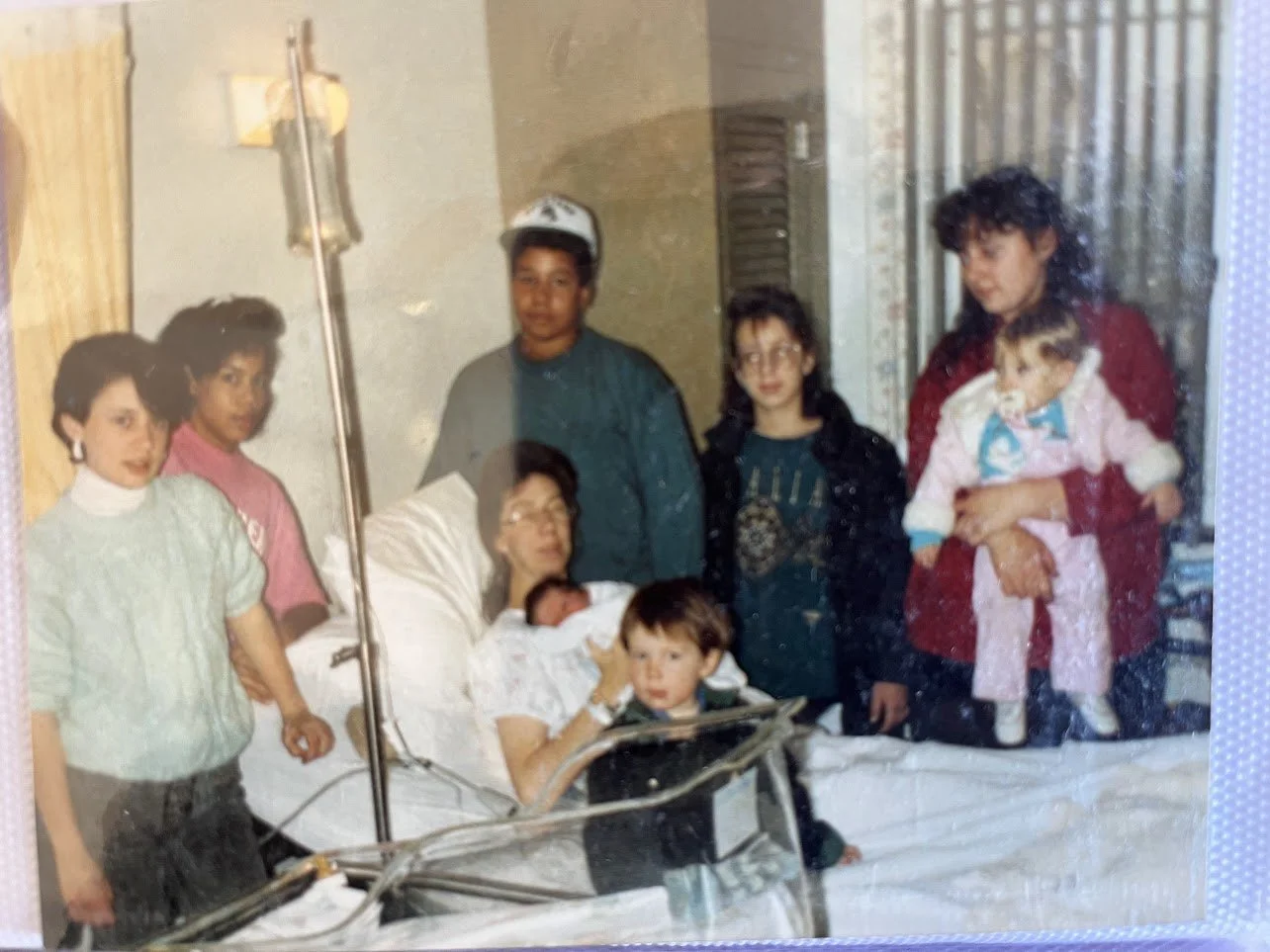
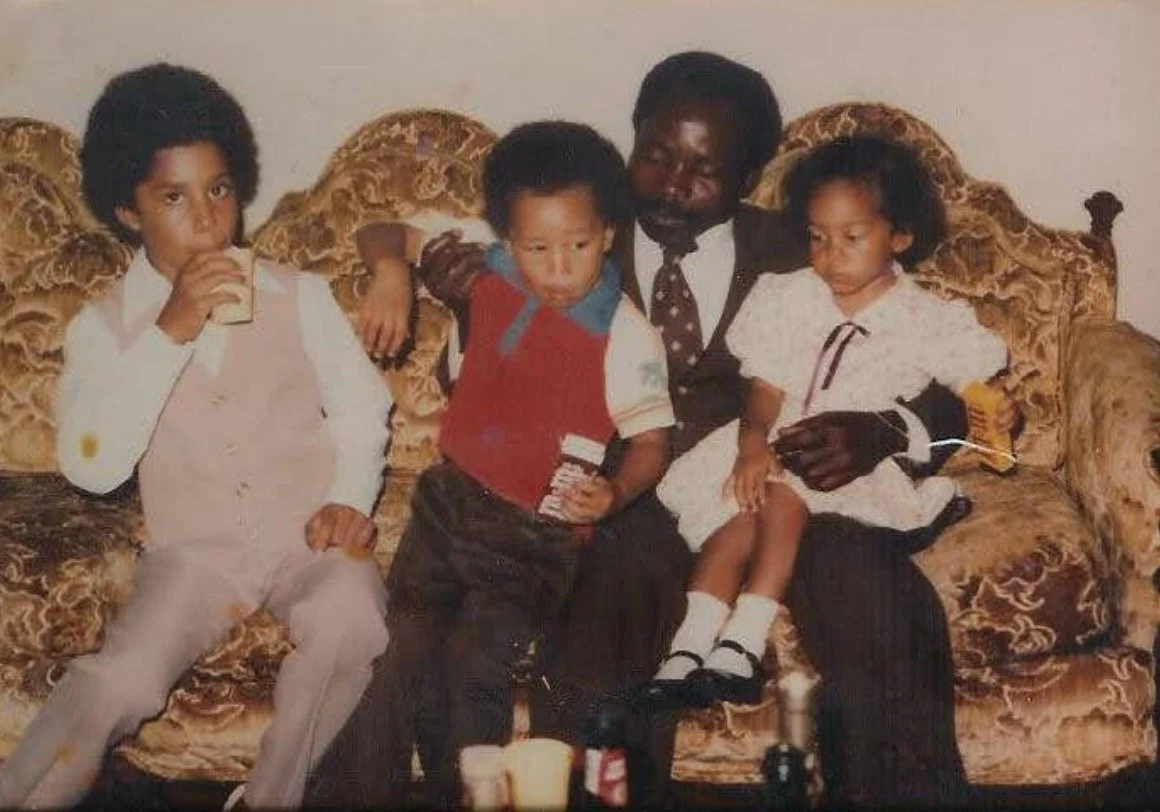
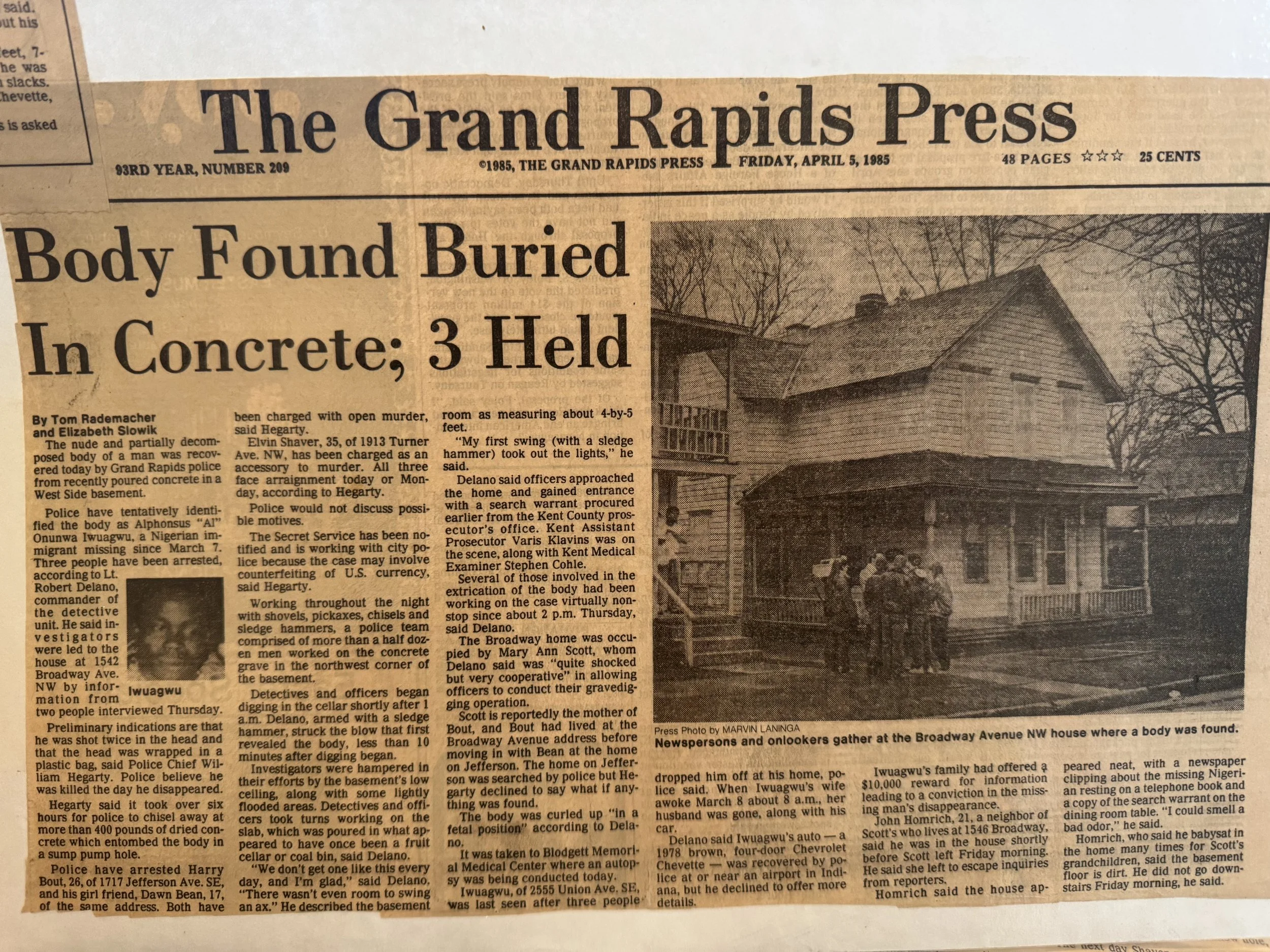
Chisa Iwuagwu is six when her Nigerian father is murdered, shattering the family he built with her white American mother in Grand Rapids, Michigan. Less than two years later, her mother marries the family’s former handyman, a controlling, deeply religious man who cuts Chisa and her brothers off from their Nigerian relatives and culture and moves them to a farm in rural Michigan.
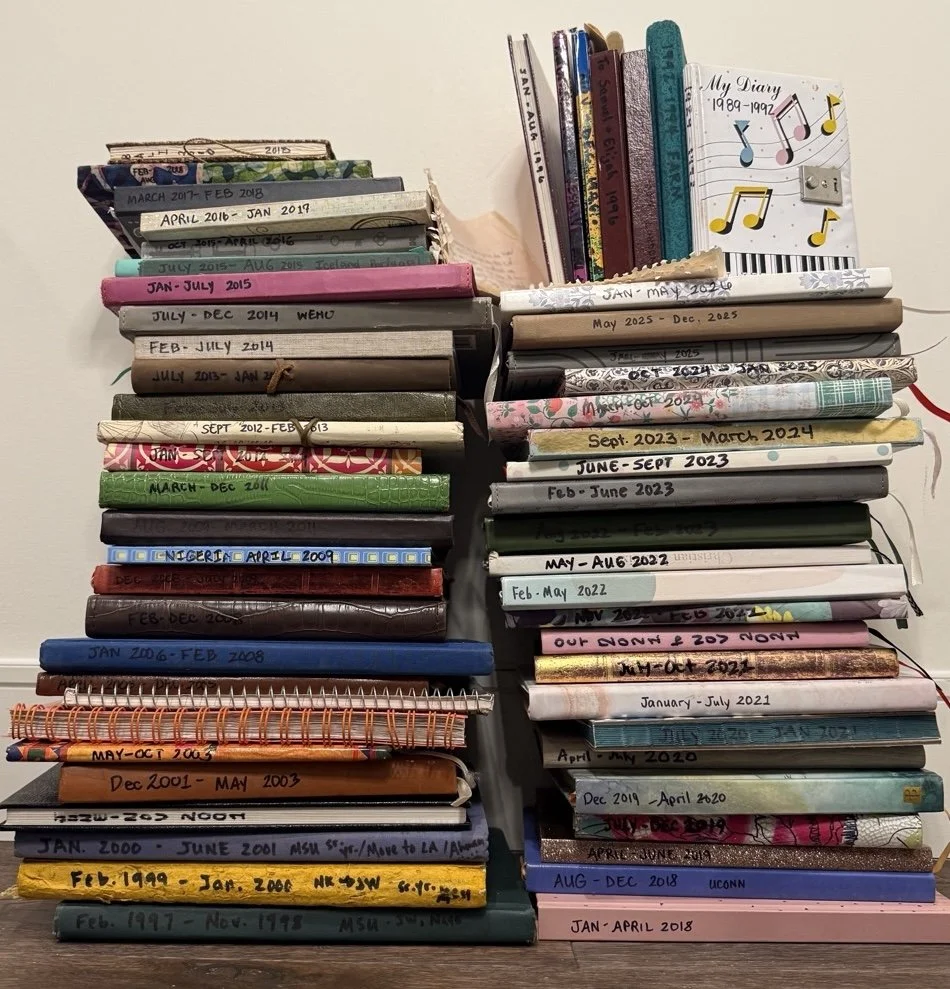
As the family grows more isolated and life at home more frightening, Chisa records what is happening in her diaries. She and her brothers take turns protecting each other, but one by one, her siblings run away. Chisa stays, convinced she can protect her mother—and that her mother will eventually wake up and choose her children. At fourteen, Chisa finally runs too. Ten years later, a catastrophic mental health crisis forces her to face what she has resisted: her mother will never protect or choose her.
Decades later, Chisa returns to her journals, newspaper coverage of her father’s murder, and family letters between Nigeria and the United States. Through them, she reconstructs the family that existed before her father’s death and reckons with the murder and everything that followed. Please Come Home is about what children invent to survive the people they love—and what it takes to stop waiting for the family that failed them and build a life beyond it.